
The Theoretical Basis of Taijiquan
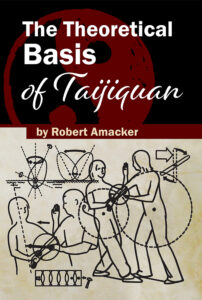
What the Book Explores
The Theoretical Basis of Taijiquan presents Robert Amacker’s unifying explanation of the principle underlying Taijiquan.
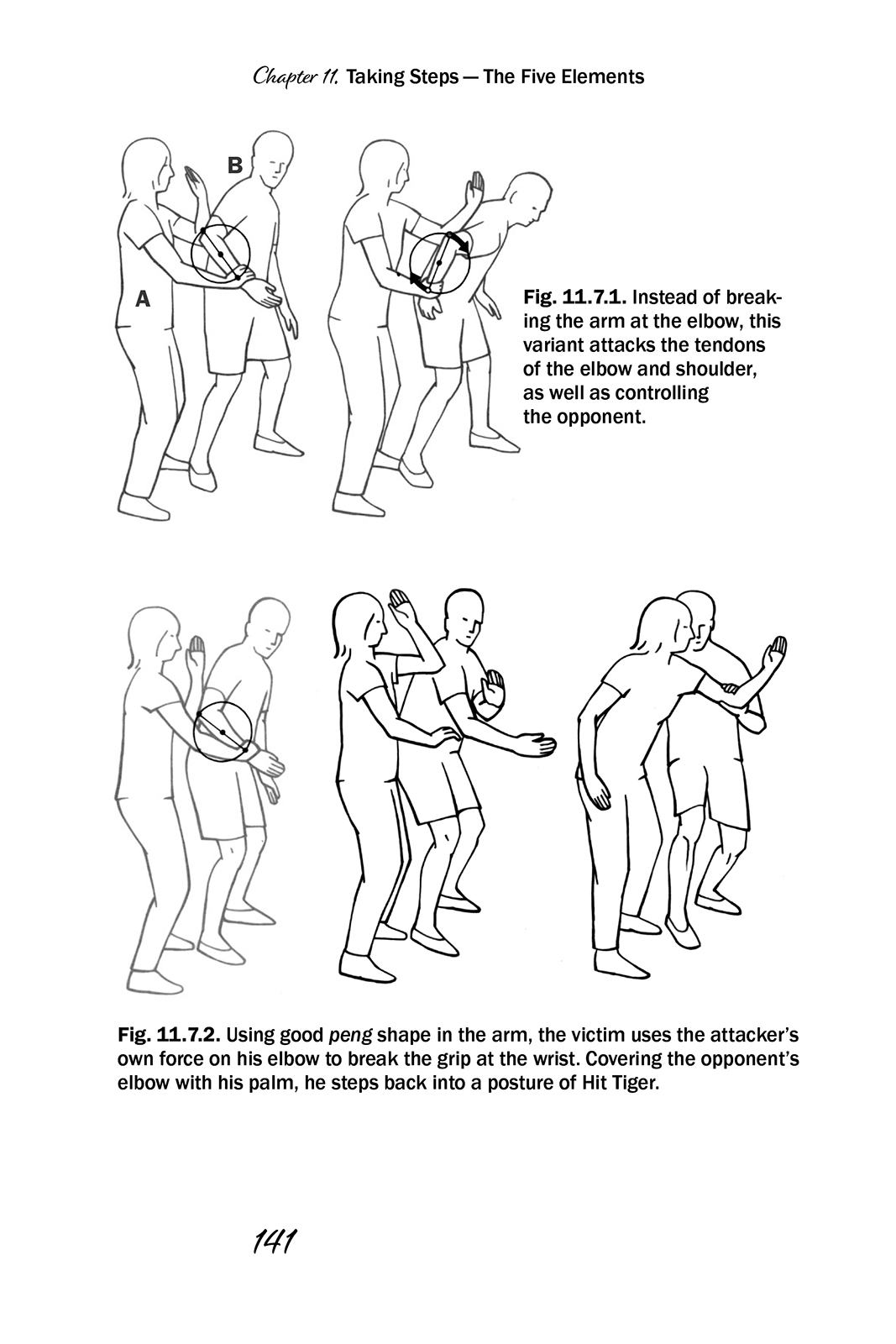
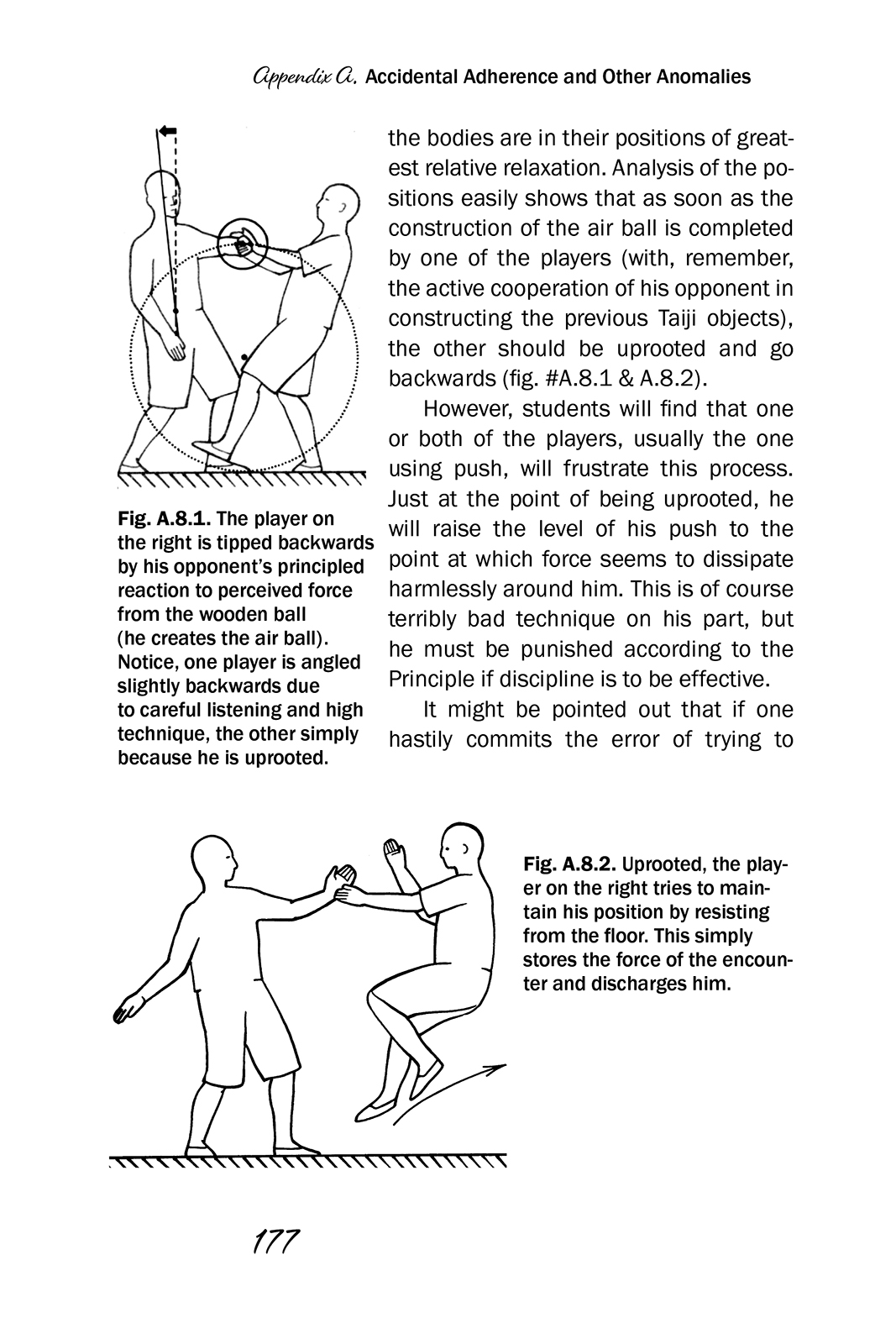
Rather than treating rooting, sinking, softness, relaxation, yielding, and other qualities as separate goals, the book shows how they arise from a deeper organizing principle. It develops that principle through movement, adherence, stepping, timing, and martial interaction, always connecting theory back to physical practice.
Who It Is For
This book is for Taijiquan students who want to understand the logic behind the art rather than simply accumulate techniques.
It will be especially useful to practitioners with some experience of Solo Form and tuishou who have begun to ask how the different parts of Taijiquan fit together: why yielding works, what pengjin is, how substantial and insubstantial are differentiated, how adherence develops, and how these skills eventually lead toward freer martial application.
Although Robert Amacker’s own background was in Yang Style Taijiquan, the book is concerned primarily with principles rather than a particular version of the Form.
Inside the Book
The book begins with the Taiji Principle itself and develops its implications through fourteen chapters, moving from fundamental ideas of movement and structure toward adherence, uprooting, discharge, stepping, breath, and timing.
Excerpt from the Introduction to The Theoretical Basis of Taijiquan
The Classics promise us that “From a myriad of techniques, there is only one principle.” Indeed, this is the heart and soul of Taijiquan. However, there are aspects of the art that are, in the last analysis, merely a means to an end. Things such as rooting, sinking, softness, relaxation, breathing, suspended head top, etc., are mechanisms to further the goal of principled movement. They are not in themselves principles, or certainly not to be confused with the Principle.
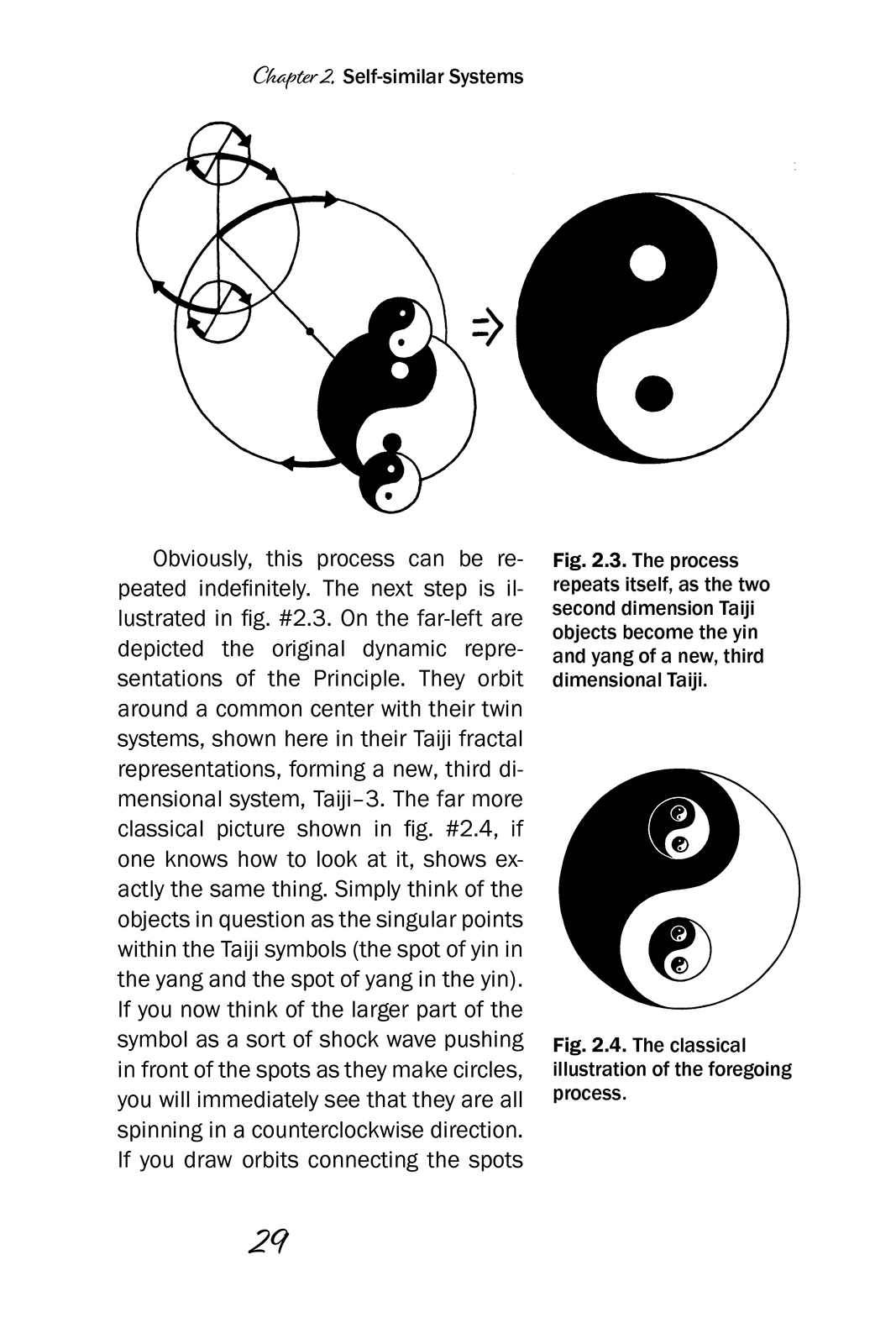
One might ask: if the Principle is so unitary and so simple, how can there be much to say about it? The answer lies in the fact that a simple principle may be expressed in a fractal way, existing, as it were, in several dimensions.
Contents
About the Author
Preface
Introduction
Chapter 1. The Principle
Chapter 2. Self-similar Systems
Chapter 3. The Daruma
Chapter 4. Pengjin
Chapter 5. Interpretation of Strength
Chapter 6. Yielding and Adherence
Chapter 7. Metal Adherence — Touch
Chapter 8. Wood Adherence — The Eight Trigram Postures
Chapter 9. Air Adherence — Uproot
Chapter 10. Discharge
Chapter 11. Taking Steps — The Five Elements
Chapter 12. Frequency and Wavelength
Chapter 13. Breath
Chapter 14. Timing — The Crystal Ball
Appendix A. Accidental Adherence and Other Anomalies
Appendix B. Using the Theory — Civil and Martial Reasoning
Appendix C. Tsung
Appendix D. Daruma Exercises
Postscript
Glossary
Selected Illustrated Pages from The Theoretical Basis of Taijiquan
About the Author
Robert Amacker (1944–2021) was a Taijiquan teacher, writer, and researcher who devoted more than fifty years to the study and practice of Yang Style Taijiquan. He studied with Professor Zheng Manqing and later with William C. C. Chen, Benjamin Lo, and Master Chu Chufang.His writing focused on the internal principles and classical foundations of Taijiquan. He was co-author of The Essence of T’ai Chi Ch’uan: The Literary Tradition and author of The Theoretical Basis of Taijiquan and Taijiquan Meditations for the Solo Form.
Read More About Robert Amacker