About Robert Amacker
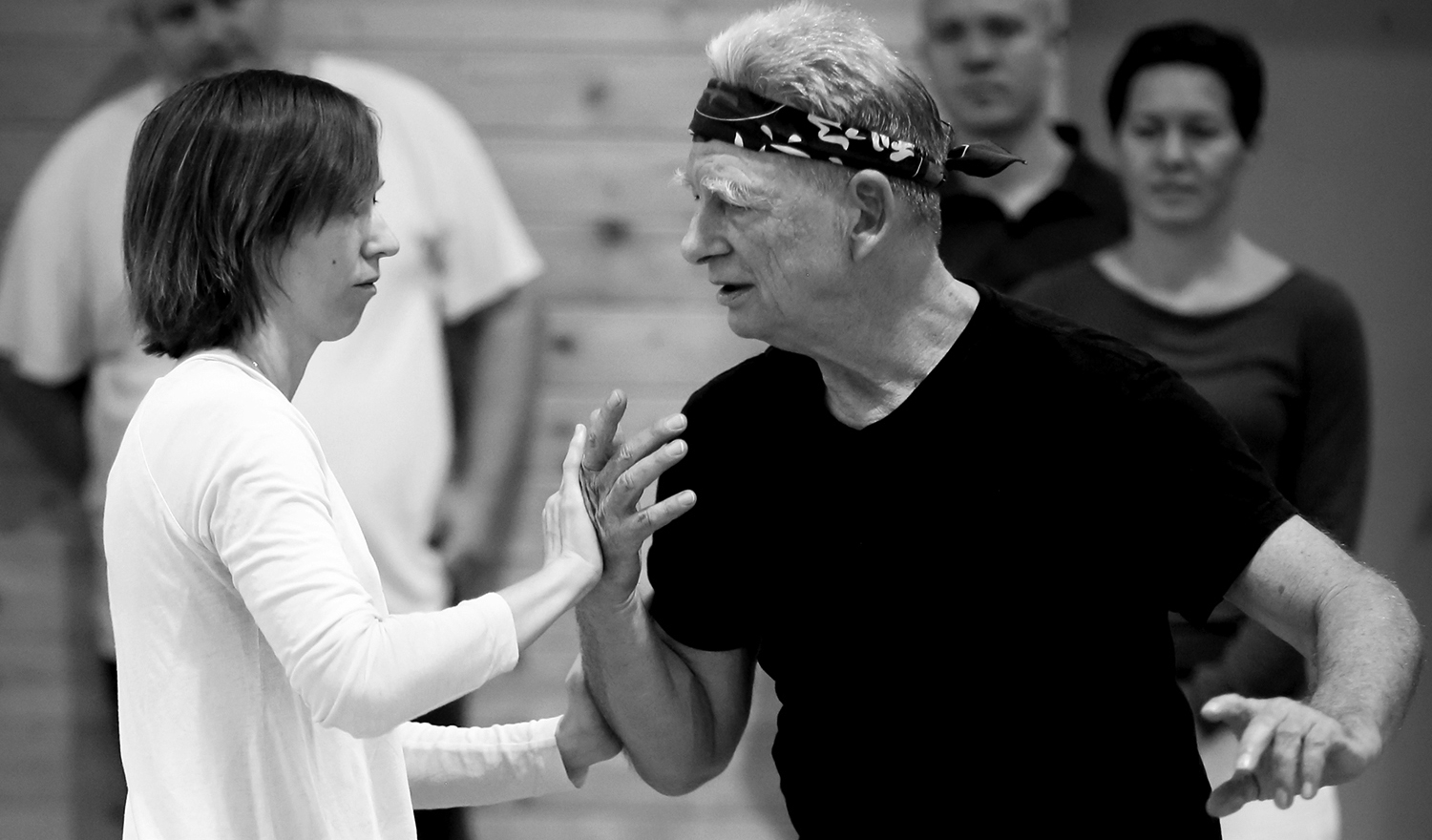
Robert Amacker (1944–2021) held a BA in mathematics and was also a writer, musician, and martial arts master. A meticulous researcher as well as a gifted teacher, he devoted more than half a century to the study, practice, and teaching of Taijiquan, pursuing what he described as the art’s deepest structural and philosophical secrets. He understood Taijiquan as more than a martial art: it was, for him, a complete expression of the Taijiquan Principle.
Robert was born in Texas in 1944. He began his exploration of martial arts at the age of eleven through the self-directed study of Judo, learning from books and whatever materials he could find. In his teens, he trained in Kyokushinkai Karate with Bobby Lowe at the Chinese American Club in Honolulu, later earning a black belt in Karate. He continued his formal martial training in New York City, studying Goju-ryu Karate with Peter Urban and Aikido with Yoshimitsu Yamada. During this period, he also deepened his inner work through Zen meditation, studying with Hakuun Yasutani Roshi and Katsuki Sekida. This combination of martial discipline and meditative practice formed the foundation of his later understanding of Taijiquan.
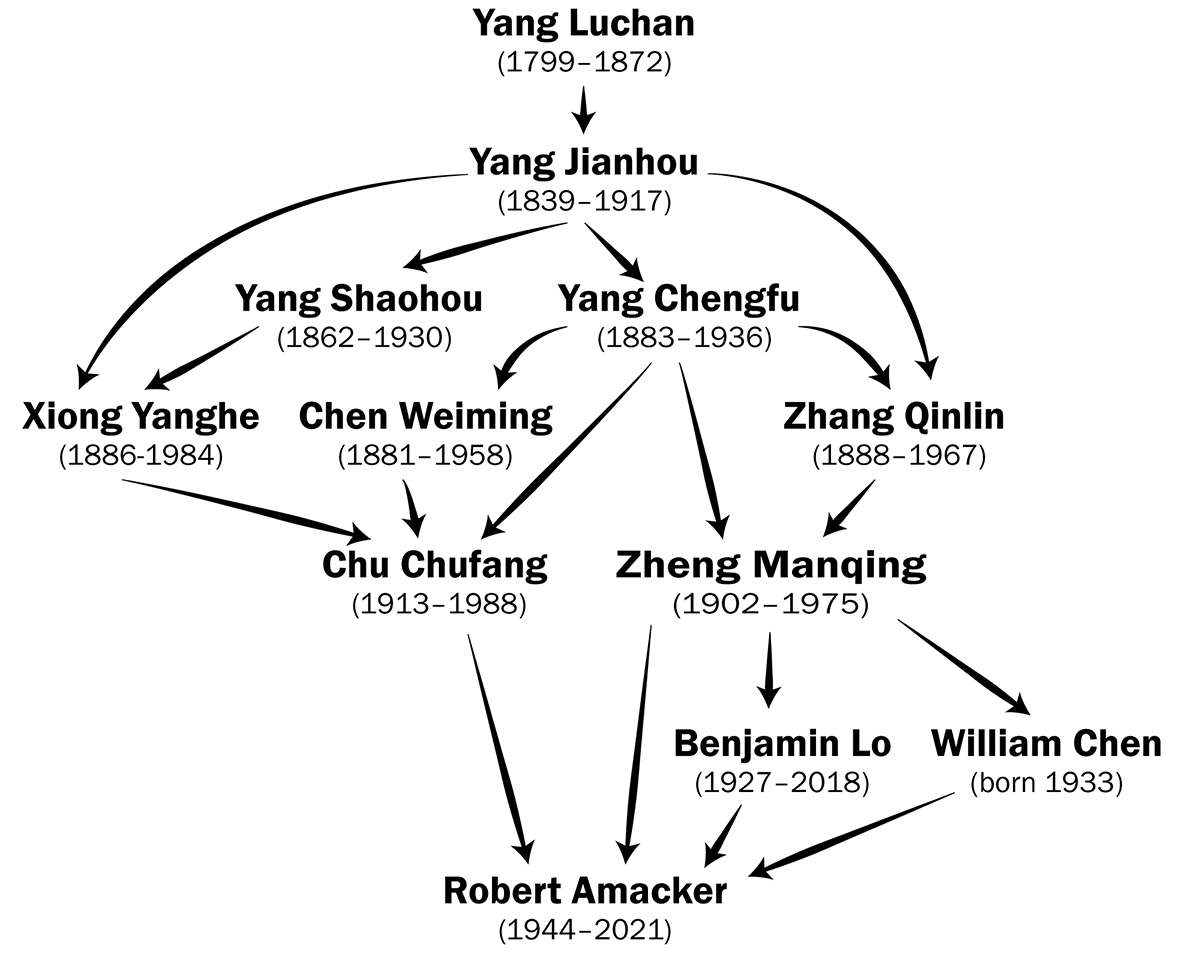
Around this time, while Robert was training in Karate with Peter Urban in New York City, he met Ken Van Sickle, who would later become one of Professor Zheng Manqing’s senior students. Ken invited him to come and see Taijiquan, describing it as a great martial art. This meeting introduced Robert to the art that would define the rest of his life. Robert began studying Yang Style T’ai Chi Ch’uan with Professor Zheng Manqing, also known as Cheng Man-ch’ing, the renowned student of Yang Chengfu, and he and Ken Van Sickle remained in touch for the rest of their lives. Robert later continued his training with two of Professor Zheng’s senior students: William Chen in New York City from 1967 to 1969, and Benjamin Lo in San Francisco from 1975 to 1982.
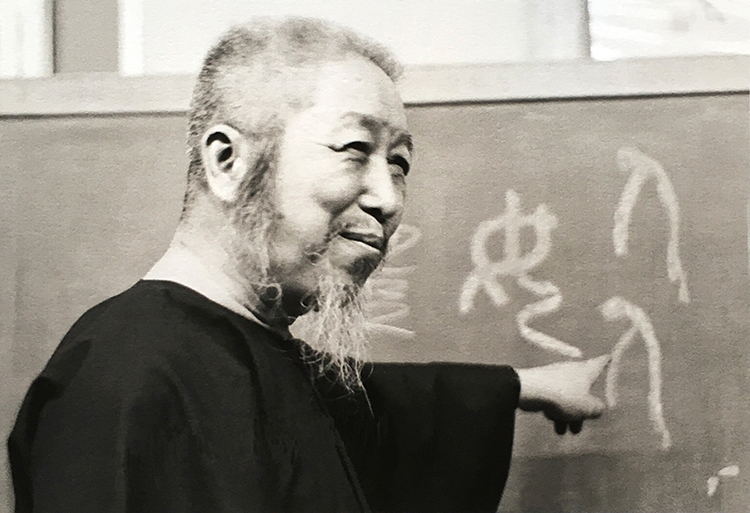
Professor Zheng Manqing. Photo © Ken Van Sickle
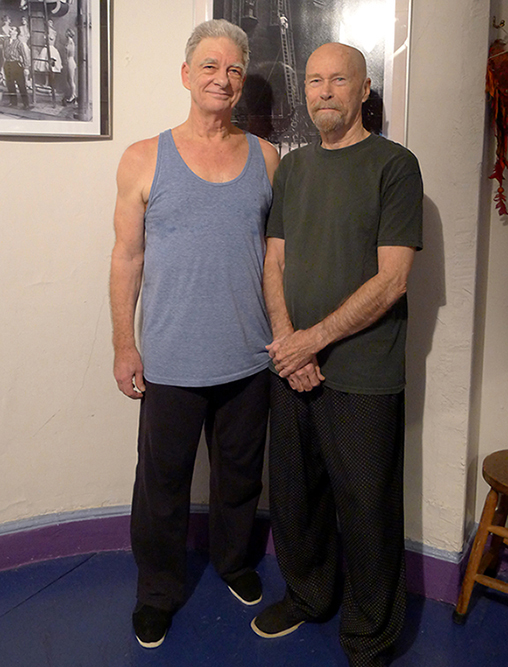
Bob Amacker and Ken Van Sickle, New York, 2014
From 1969 to 1974, Robert studied with Master Chu Chufang in Hawaii and San Francisco. Master Chu’s training connected him to several important Yang-family lines, including Yang Chengfu, Chen Weiming, and Xiong Yanghe (Hsiung Yang-ho). Under Master Chu’s guidance, Robert learned the advanced curriculum of the Yang family, including Three-step, Da Lu, and Sanshou. These practices, which explore the art in two-person and applied formats, became central to his understanding of Taijiquan as a complete martial system and not merely a health exercise or Solo Form.
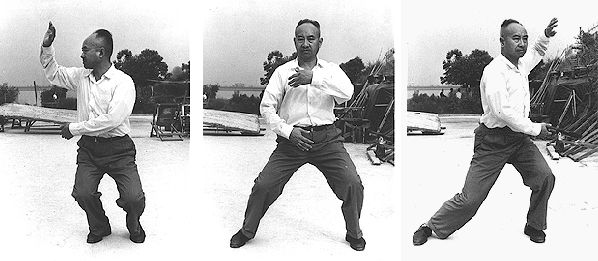
Chu Chufang, Taiwan, 1970
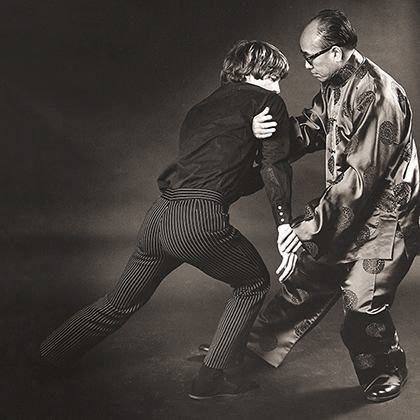
Chu Chufang and Robert Amacker, 1972
In addition to his Taijiquan training, Robert studied Monkey Style Boxing with Quan Sai-hung from 1977 to 1978. This experience broadened his perspective on Chinese martial arts and further sharpened his sense of structure, timing, and strategy. The contrast between the explosive, acrobatic nature of Monkey Boxing and the subtle, internally driven mechanics of Taijiquan deepened his appreciation of what makes Taijiquan unique.
Robert began teaching Taijiquan in 1968, with his first classes in Seattle, Washington, and continued to teach for the rest of his life. In 1969, he taught T’ai Chi Ch’uan at Maui Community College through the Department of Philosophy. From 1968 to 1976, he also taught Hatha yoga, and in 1969–1970 he taught yoga at the University of Hawaii. From 1970 until his death in 2021, he taught in the San Francisco Bay Area, where he guided generations of students in Yang Family Taijiquan. In 1997, he also founded the White Crow School of T’ai Chi Ch’uan in Moscow, Russia.
Over the decades, Robert transmitted a lineage of Yang Family Taijiquan that was both historically grounded and rigorously examined. What he taught was, to the best of his ability, the most historically classical form of Yang Family Taijiquan he could reconstruct through his research and training.
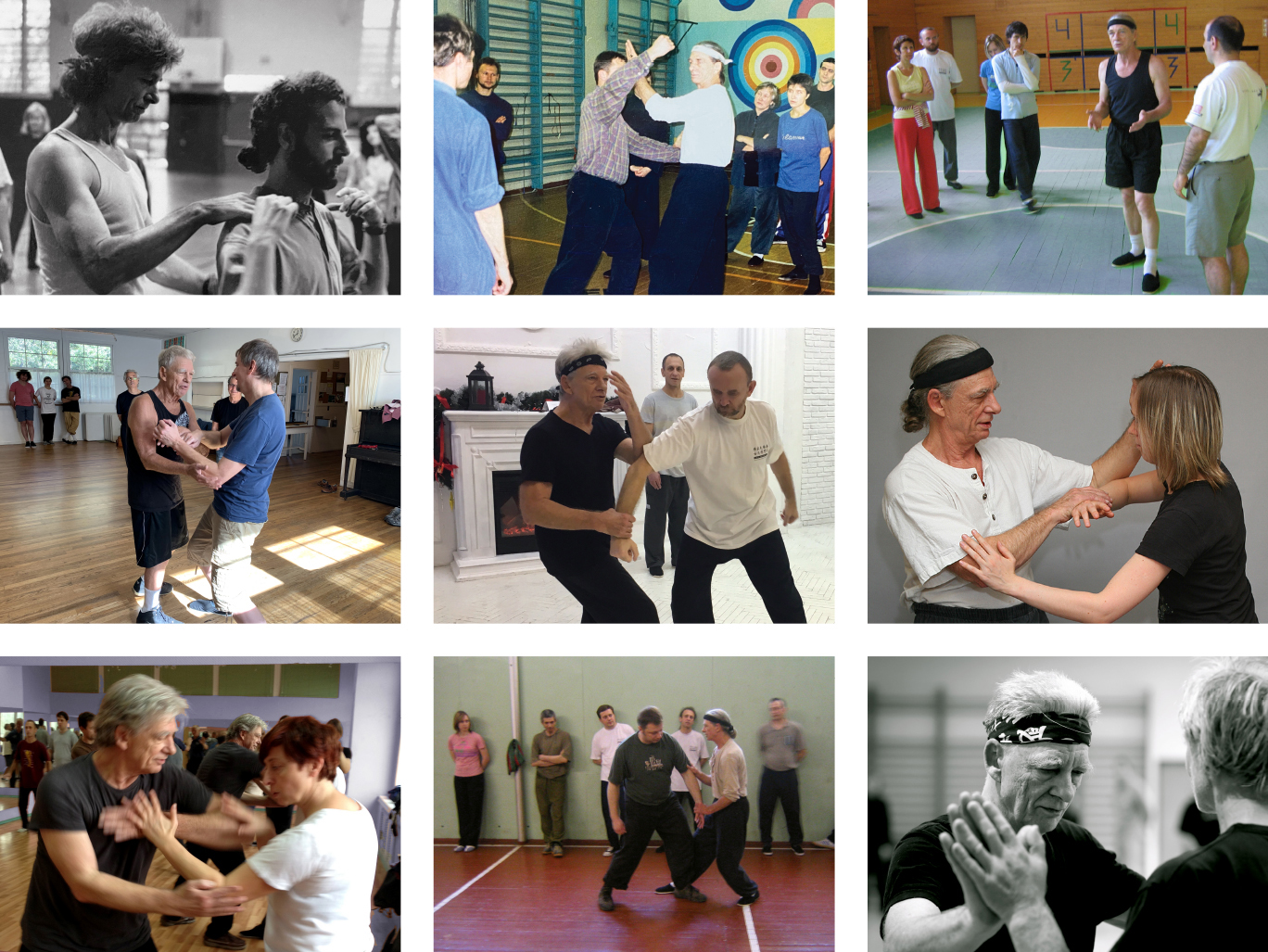
Beyond his work as a practitioner and teacher, Robert contributed significantly to the written understanding of Taijiquan. He was co-author of one of today’s most widely read and utilized English translations of the Classics of T’ai Chi Ch’uan, The Essence of T’ai Chi Ch’uan: The Literary Tradition, helping to bring the foundational texts of the art to a wider audience. He is the author of several books, including The Theoretical Basis of Taijiquan and Taijiquan Meditations for the Solo Form. Additional books are currently being prepared for publication.
Through his teaching, writing, and lifelong inquiry, Robert Amacker left a body of work that continues to influence serious students of Taijiquan around the world.
Lineage